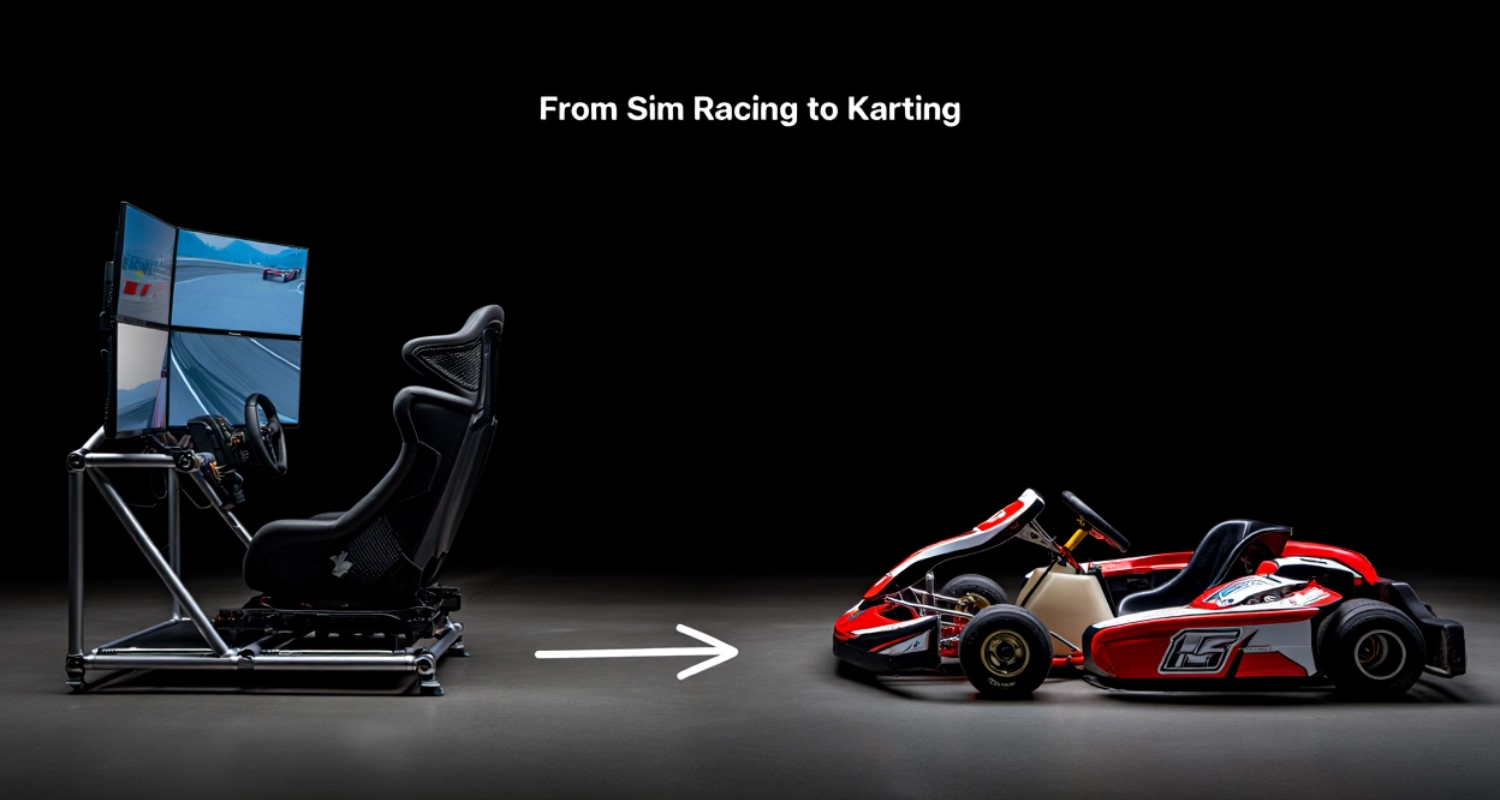
Sim racing, or racing simulation, is attracting more and more virtual drivers. But how can someone go from this digital experience to the pure, physical thrill of karting?
Here’s how to succeed in this transition and what steps to follow to fully experience real-life speed on the track!
Why Is Sim Racing an Excellent Stepping Stone to Karting?
Sim racing accurately mimics many aspects of driving: line management, track learning, anticipation, reflexes… All these skills are transferable to karting.
Several champions have made this leap: by training first on simulators, they have gained racing habits and deep track knowledge that help them in real life.
Efficient training: Sim racing develops observation skills, line analysis, and adaptability—absolutely essential in real racing.
Major Differences to Expect During the Transition
Even if the basics of driving are very close, some key differences must be prepared for:
- Physical effort: Karting really puts your body to the test! The sense of speed, G-forces, and endurance are way more intense than on a simulator.
- Risk management: In the virtual world, going off track is harmless. On a real track, every mistake costs you time – and sometimes some sore muscles.
- Sensations & feedback: On track, you feel every bump, vibration, and brake zone in your body – a unique sensory depth.
- Remember: The realism of sim racing is huge, but it can’t replace the “physical” and “emotional” side of driving on a real circuit!
7 Steps to Successfully Switch from Sim Racing to Karting
- Practice regularly on your simulator
Use your rig to learn tracks, understand all phases—braking, acceleration, cornering. Go for a “pro” approach: analyze replays, fine-tune setups, compare lap times. - Get real-world reference points
Spend time at an actual karting track. Watch sessions, see where drivers brake, how they take corners, and where they save time. This will sharpen your spatial awareness and help you anticipate virtual vs. real differences. - Train physically
Karting is demanding for your arms, shoulders, abs, and neck. A bit of muscular and cardio training makes your first experience way more enjoyable and effective. - Start with rental karting
No need to jump straight into competition—rental karts are perfect for your first laps. Take time to feel the grip, the sliding, weight transfers. Ready to try it yourself ? Find a rental kart track near you- whether you’re in the US or anywhere in Europe! - Analyze your first sessions like you do in sim racing
Use the same techniques: track lap times, film your runs, watch your lines, braking and acceleration marks. Ask advice from more experienced drivers on site. - Test different tracks and conditions
Just like in sim racing, variety helps you develop adaptability. Try both fast and technical tracks, drive in various weathers to round your skillset. - Consider competition
When you’re ready, sign up for races or club championships! It’s the best way to check your progress, face other drivers, and get real adrenaline.
Common Ground Between Sim Racing and Karting
- Track reading: analyzing lines, anticipating corners, managing braking zones.
- Mental strength and stress management: Just like in the sim, karting requires focus and mental toughness.
- Data and telemetry: Some kart tracks offer timing data (like in sim racing), perfect for quicker progress.
Classic Difficulties and Pitfalls
- Overestimating virtual skills: Sim racing helps a ton, but it can’t replace real experience. Some physical limits (grip, fatigue, visibility, kart reactions) can only be learned on track.
- Dealing with fear: The first full-speed run down a straight, you’ll feel your heart pounding like never before!
- Bad simracer habits: You might be tempted to drive too “aggressively” or “robotically,” but smoothness and anticipation are key on a real track.
Example Success Stories
Many drivers, like Enzo Bonito or Jann Mardenborough, have moved from sim racing to real racing. Their stories show that discipline, passion, and method make a difference.
“The skills developed in sim racing can open the doors to real competition—if you train physically and mentally to fully experience the track.”
Tips for Crossing from Virtual to Real
- Keep practicing on your simulator: for strategy, new track learning, and setup understanding.
- Network and share experiences: connect with other drivers, both online and at the track, to improve faster.
- Invest gradually: no need to buy pro equipment right away—start with rental karting, then consider competition and bigger investments.
- Stay humble and curious: every track outing will teach you something new.
In Summary
Sim racing is a perfect platform to build racing and competition fundamentals. To go from virtual to real, prepare both your body and mind, embrace a new sensory experience, and most importantly—keep enjoyment at the center.
The key? Dare to step into real-life karting, learn by experience, and enjoy a community where virtual and real drivers share the same passion. By following these steps, you can transform your simracing talent into real on-track performance!